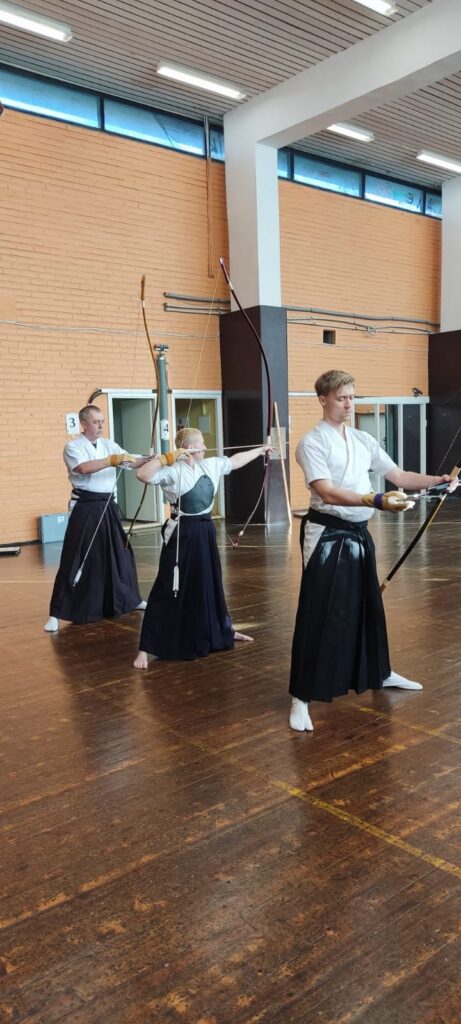
The Roots of the Path
The story of Kyudo begins at the very dawn of Japan. Emperor Jimmu, the legendary first founder of the nation, is almost always depicted holding a long, asymmetrical bow. This image is not merely artistic; it signifies that from the very beginning, the bow (yumi) was a sacred symbol of authority, spiritual power, and the protection of the state. While technology in other cultures evolved, the form of the Japanese bow has remained virtually unchanged for over two millennia, preserving its ancient spirit.
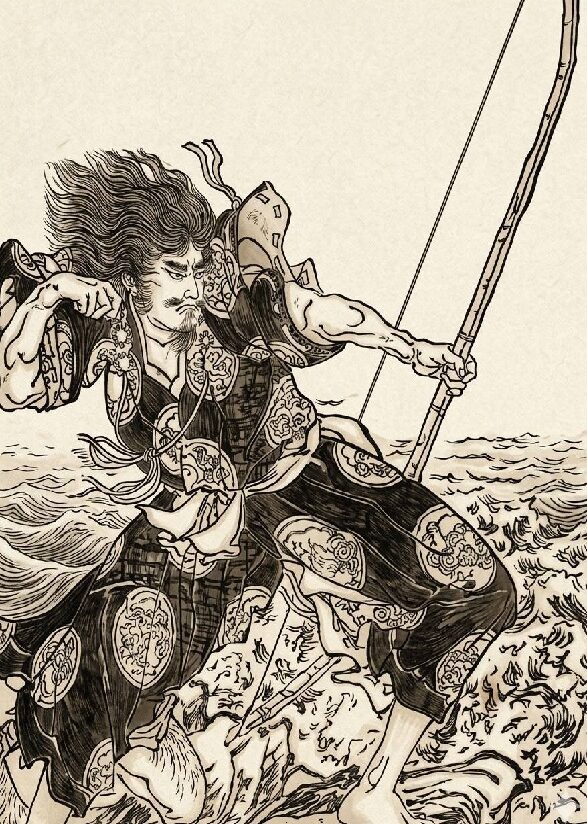
The Warrior’s Distance
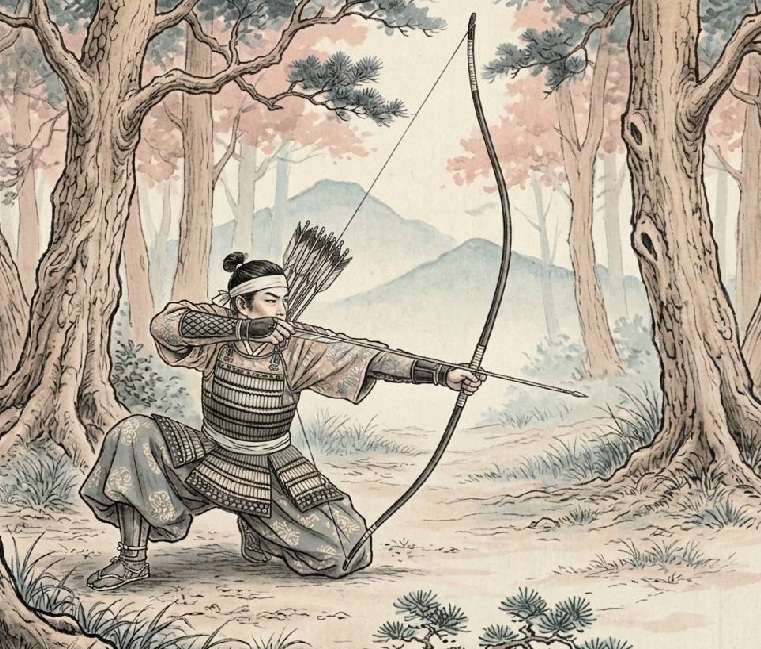
As Japan entered the era of the samurai, the bow transitioned from a survival tool to a primary weapon of war. This period gave birth to Kyuba no Michi (The Way of the Bow and the Horse), the precursor to the modern Bushido. Archery dictated battlefield strategy: long-range volleys would break enemy formations before the swords were even drawn.
The standard competitive distance in modern Kyudo — 28 meters (kinteki) — is not arbitrary. It originates from the average distance between the archer and the front line of an opposing army during a typical skirmish. Mastery at this range meant a samurai could reliably shoot through enemy armor while remaining out of reach of shorter weapons.
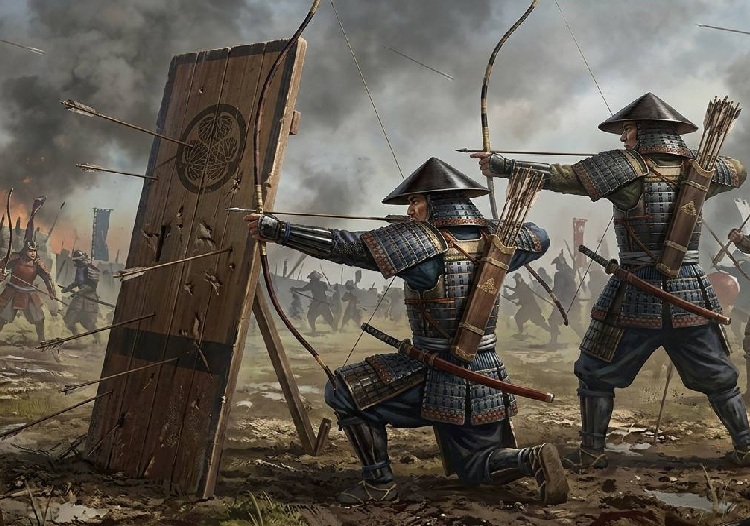
Forerunner of Bushido
Kyuba no Michi (弓馬の道), which translates to “the way of the horse and bow,” was the original martial and ethical code of the early Japanese samurai. Long before swords like the katana became popular, mounted archery was the defining skill of the warrior class. The term originated during the Heian and Kamakura periods (c. 10th to 14th centuries), when battles were largely dominated by elite armored warriors firing arrows from horseback. The concept of Kyuba no Michi went beyond just hitting targets; it emphasized the physical discipline, horsemanship, and spiritual harmony between the rider, the horse, and the bow. Today while the dominance of the bow faded with the introduction of firearms and the increased focus on swordsmanship, the spirit of Kyuba no Michi remains a celebrated part of Japanese cultural heritage
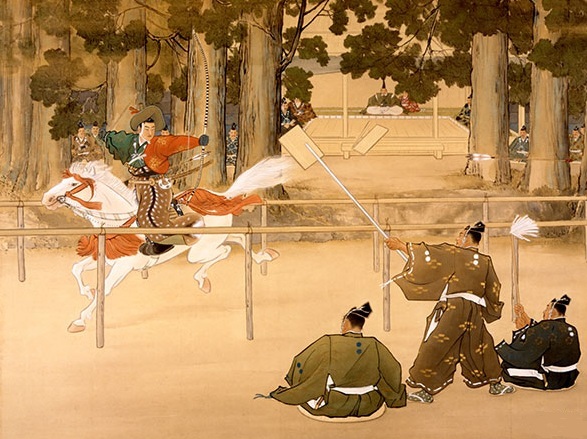
The Heritage of the Schools
The evolution of Kyudo is preserved through its ancient schools (Ryu-ha), each offering a unique perspective on the bow. Two of the most influential traditional styles remain prominent today, representing the dual nature of the art:
Ogasawara-ryū: The “Ceremonial Way.” This is the oldest school. The Ogasawara school laid the foundations for etiquette for the samurai class of Japan. Originally practiced by the shogunate’s elite, this school focuses on elaborate rituals and etiquette (Reiho). It is a highly formalized style where every step and breath is part of a moving meditation.
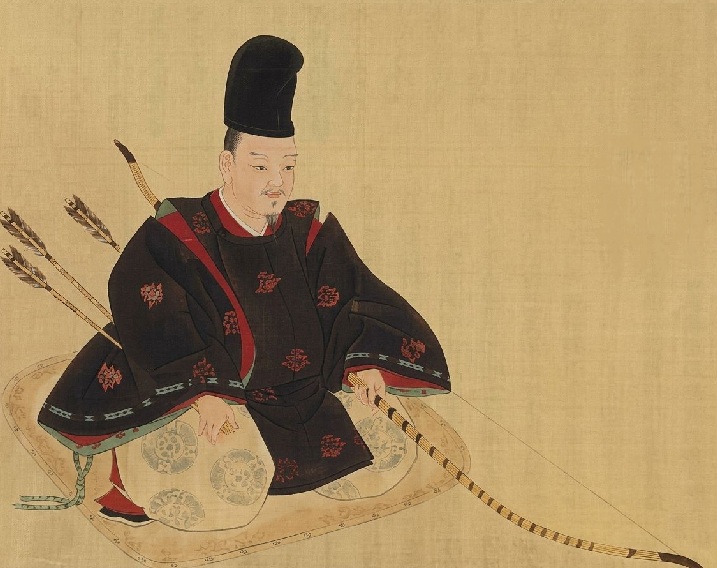
Heki-ryū: The “Warrior’s Way.” Rooted deeply in the original Kyujutsu, this school emphasizes battlefield efficiency. Its techniques are designed for power and accuracy, reflecting the raw, practical strength required by the infantrymen of old.
Both styles are physically demanding, requiring immense flexibility, endurance, and years of dedicated training to master the harmony between body and bow.
The Spirit of the Void
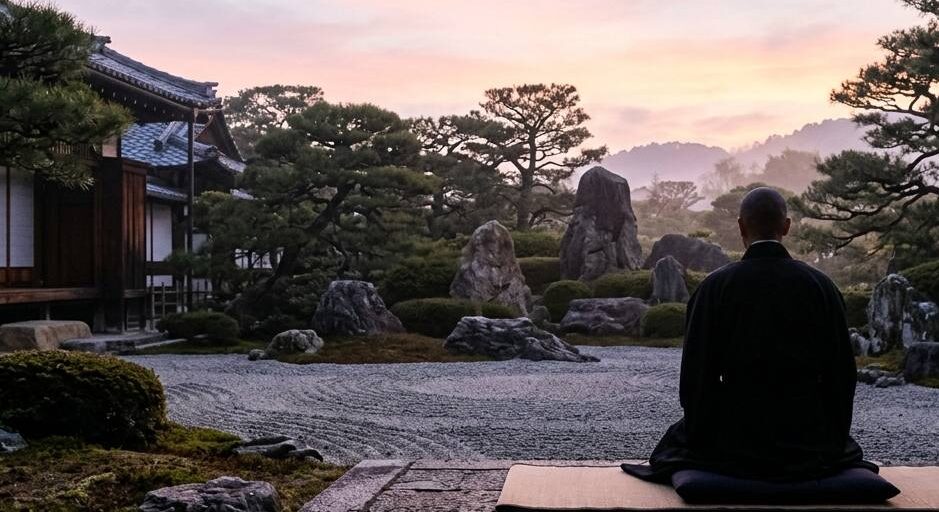
Beyond technique lies the spiritual heart of Kyudo, heavily influenced by Zen Buddhism. The practice is not about the archer hitting the target, but about the target hitting itself through the archer. Central to this is the state of Mushin (mind without thoughts, inner silence)
In this state, time seems to slow down. The archer becomes a silent observer, tuned into the subtle vibrations of the universe. A “true shot” is not forced by the will; it happens naturally, as if the universe itself decided the moment of release. The state of psychological balance where the ego vanishes allows one to enjoy the rustle of leaves or the song of birds at the moment the arrow flies.
Kyudo in the Modern World
Today, Kyudo is practiced worldwide as a way of self-improvement and “polishing the soul.” In 1949, the All Nippon Kyudo Federation (ANKF) was established to unify the art while respecting its diverse origins. This led to the coexistence of two main styles of raising the bow (Uchiokoshi):
Shomen-uchiokoshi: The bow is raised directly in front of the body. This style is characterized by its profound symmetry and elegance, emphasizing a balanced spirit. It is the style we proudly practice at Nezu Kai.
Shamen-uchiokoshi: The bow is raised to the side (diagonally). This style maintains a strong connection to the ancient battlefield techniques of the Heki-ryū school.
In Estonia, the Kyudo community is vibrant and diverse, with both traditions represented. This variety allows practitioners to appreciate the full spectrum of the “Way of the Bow.”